


Sell or trade in your Audi for more in 2026
Get an offer and sell quickly, without the hassle by Recurrent’s EV Experts
Don’t have your Vin? Enter your license plate >

.svg)


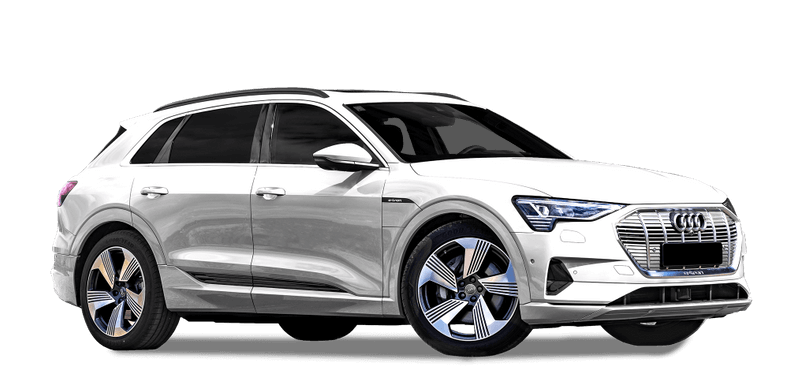
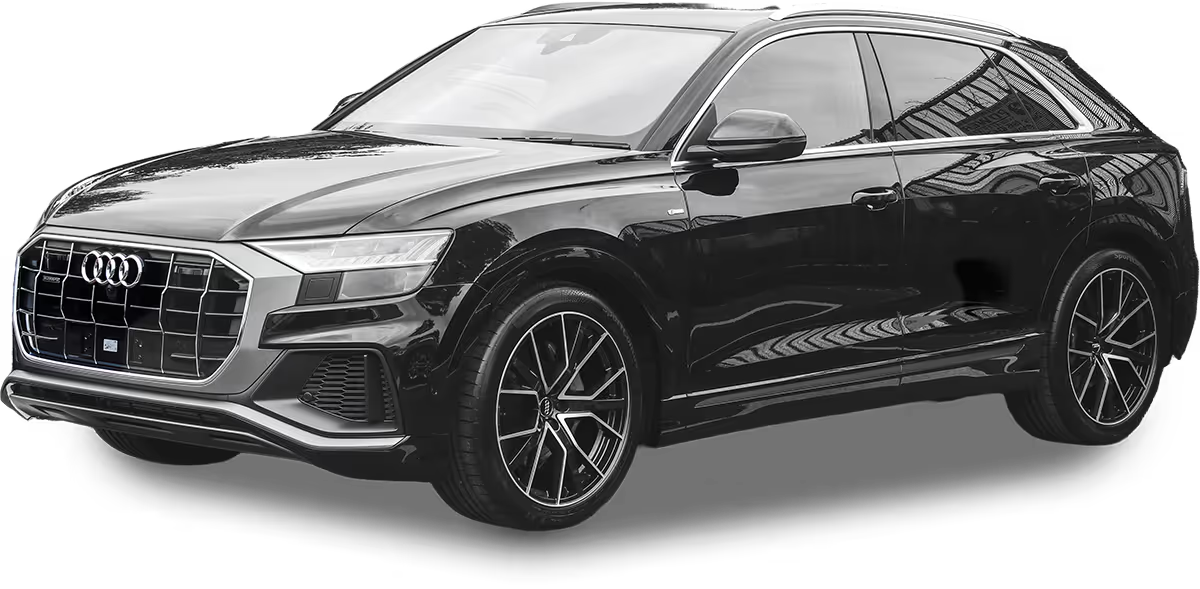
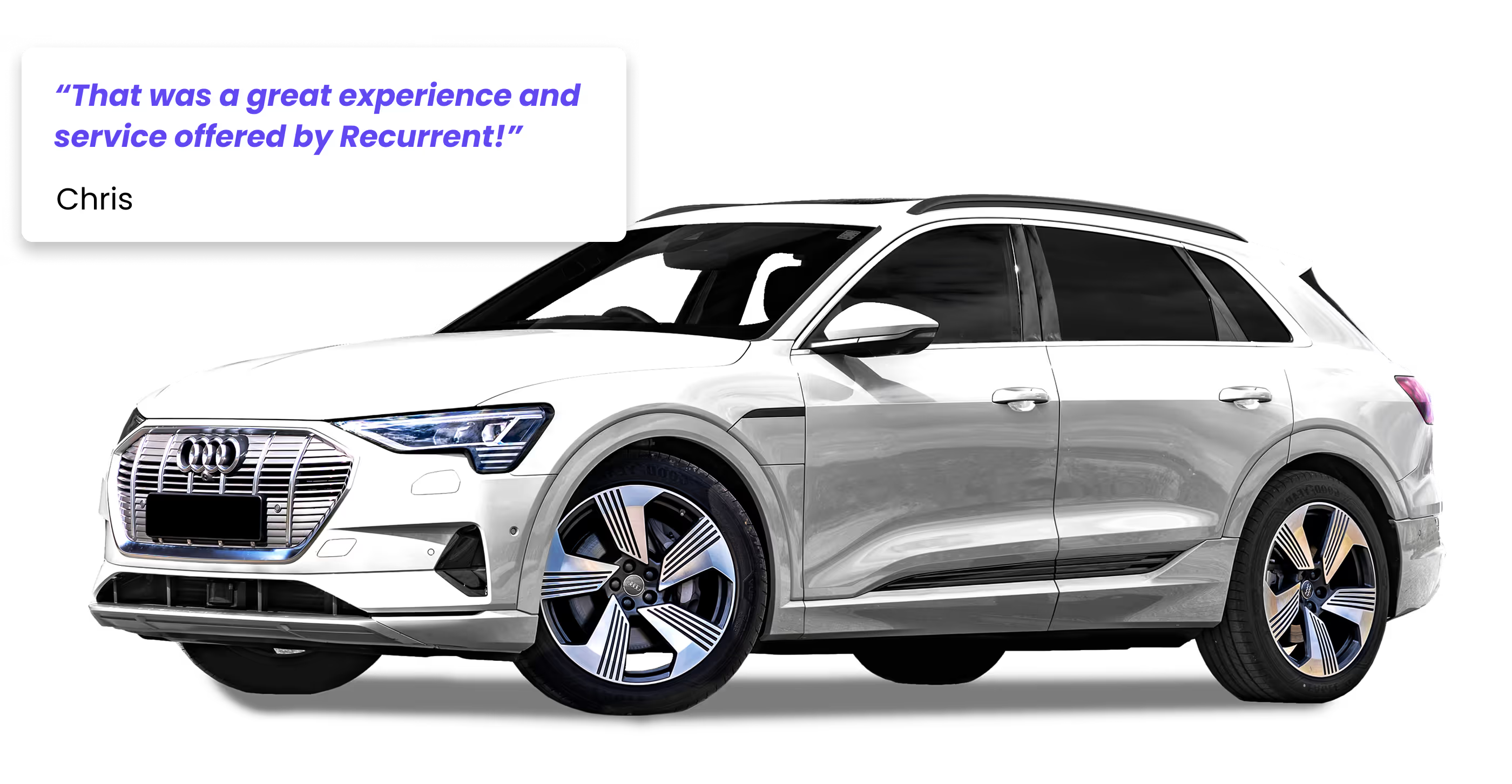
A used Audi EV with verified battery health is regularly worth more than a generic KBB or Edmunds quote. Those tools price the badge but not the actual range, the Quattro all-wheel drive, or the years left on Audi’s 8-year / 100,000-mile battery warranty. The original e-tron’s large pack and the Q8 e-tron’s larger one hold range well, and buyers want proof on your specific car.
Audi EV buyers shop on brand and refinement, then pay on confidence.
In every case, a Recurrent Report documenting current range is what turns a premium badge into a premium price.
An Audi dealer will take your EV as a trade toward your next car, with a sales-tax credit in most states. But even luxury franchise dealers lean on generic auction data for used EVs, which doesn’t reward the big battery, Quattro, or your verified range. A Recurrent offer gives you a real number to weigh against the trade.

It depends on model (Q4 versus Q8 e-tron versus e-tron GT), battery size, mileage, Quattro, and verified battery health. The big-battery Q8 e-tron and the scarce e-tron GT hold value best.
Yes. Audi’s 8-year / 100,000-mile battery warranty transfers to the next owner, and a car still inside it sells for more. Surface the in-service date and mileage in your listing.
It helps. The e-tron GT and RS e-tron GT use the Taycan’s 800-volt platform and are relatively scarce, so they hold value better than the SUVs. Performance buyers still want proof the battery is healthy.
Trading in earns a sales-tax credit in most states. Selling to an EV specialist usually clears more cash. A Recurrent offer gives you a real number for either path.


