


.avif)


To put this range retention into perspective, an average EV with 300 miles of range should retain 291 miles of range after three years of driving, and 285 miles after five years. Even the “worst performing” in our data will still retain 283 miles after three years and 271 after five.
Data and methodology are below, but it’s important to call out that our data shows range retention only, not battery health. An EV with no apparent range loss after several years will still have an aging battery, but the automaker is probably releasing reserved battery so that the range stays consistent.
EV Brands with No Apparent Range Loss
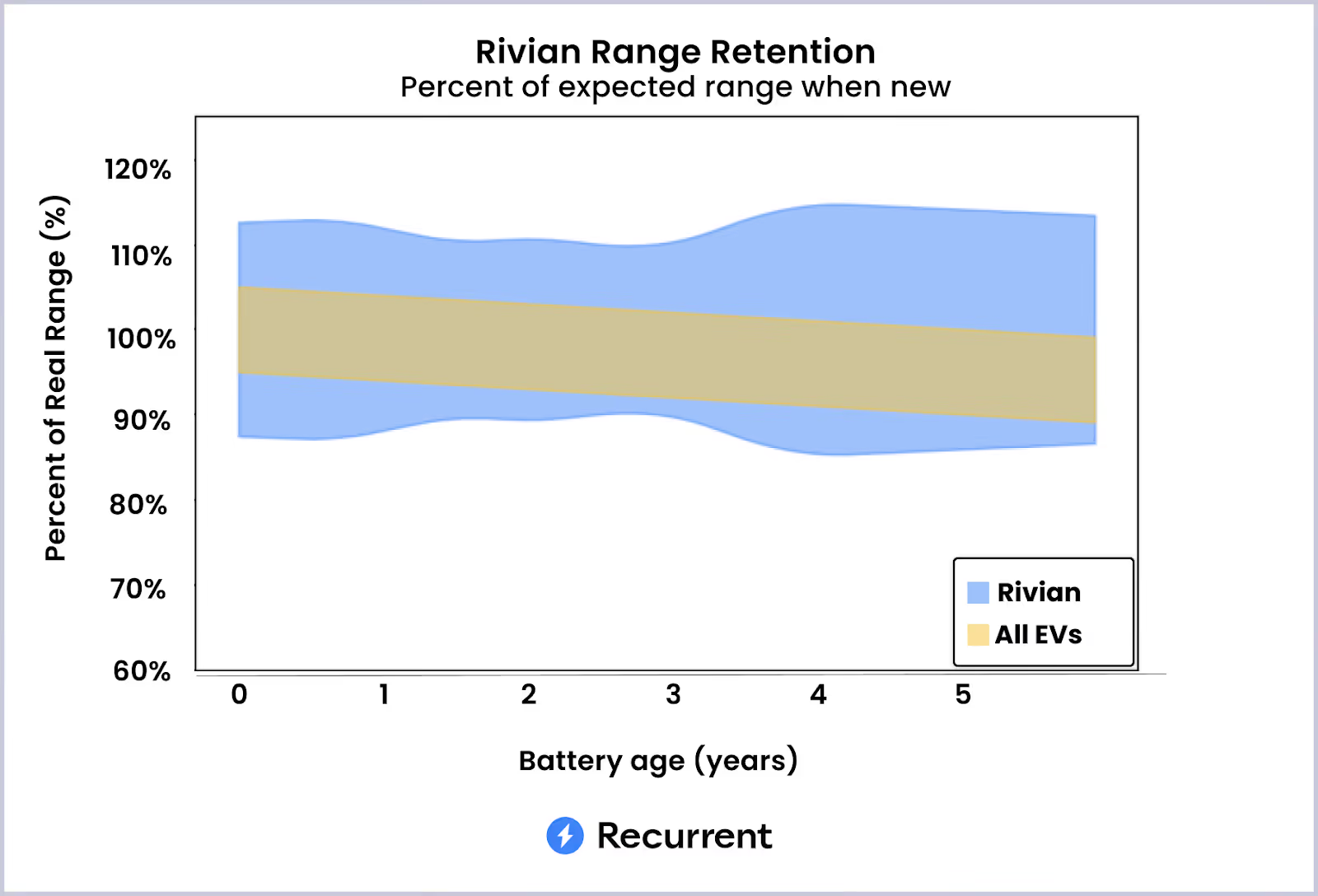
Cadillac, Ford, Hyundai, Mercedes-Benz, Rivian
The EVs in this group present a very stable range over the first few years of ownership, with an expected range at three years being the same as the expected range when new. Although the lithium ion batteries will age, the automakers likely release reserve battery to present a consistent range experience for its drivers.
Ford and Hyundai EVs are a good case study in how over-the-air updates and software can present a consistent range. In 2022, early Mustang Mach-Es received a flurry of software updates and many drivers reported an increased range, despite their batteries being the same. The same happened with Hyundais in 2022-2023.
While software updates can’t directly make your car more efficient, but they can do things such as:
- Change the way dashboard range is calculated to better reflect actual energy usage
- Change the degree to which regenerative braking recaptures lost energy
- Limit acceleration in certain drive modes to decrease energy consumption
Although it’s not clear which automakers may have used which tools, these are examples of how software can affect range. Of course, opening up the reserve battery will also be in play since software changes are likely a more subtle shift.
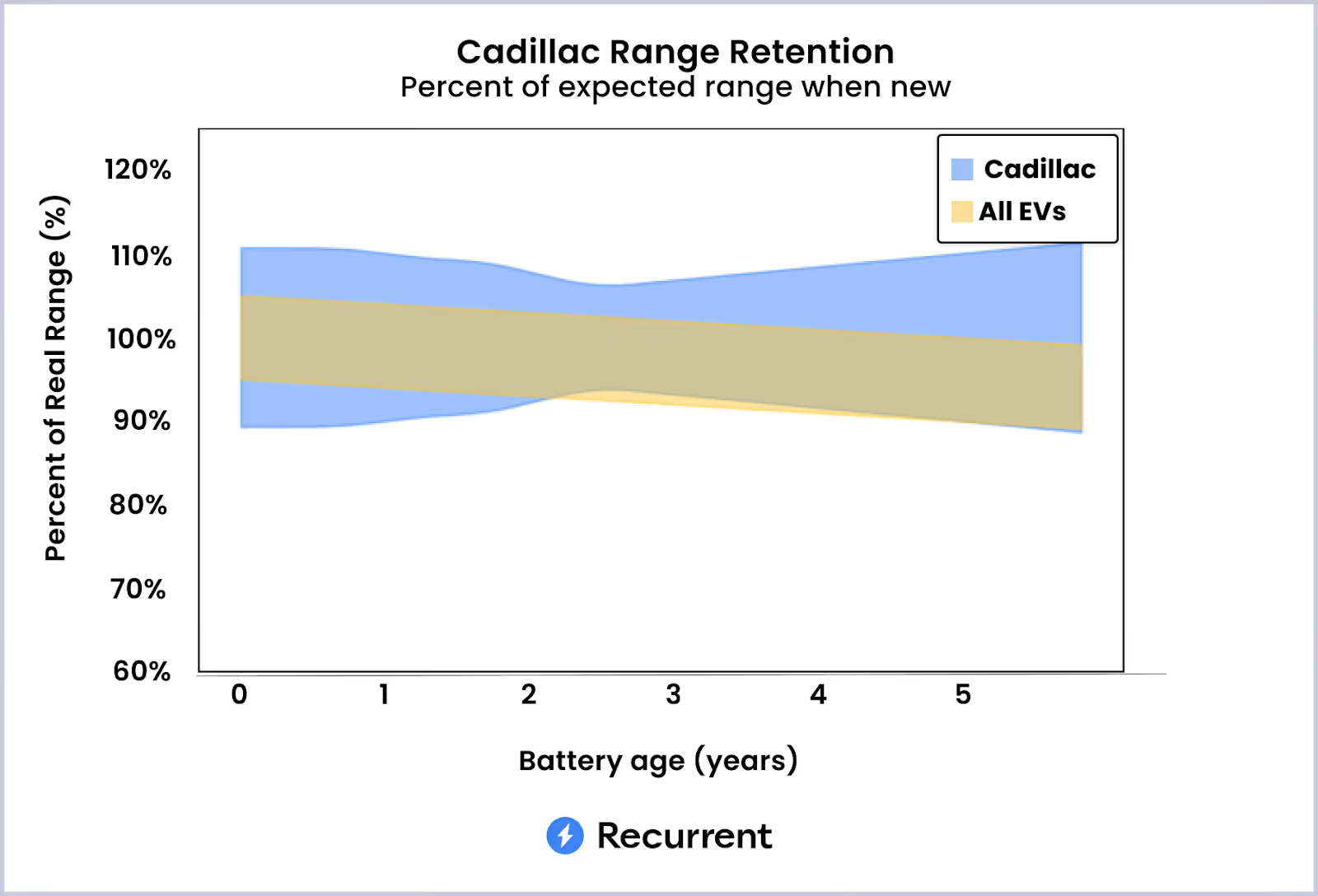
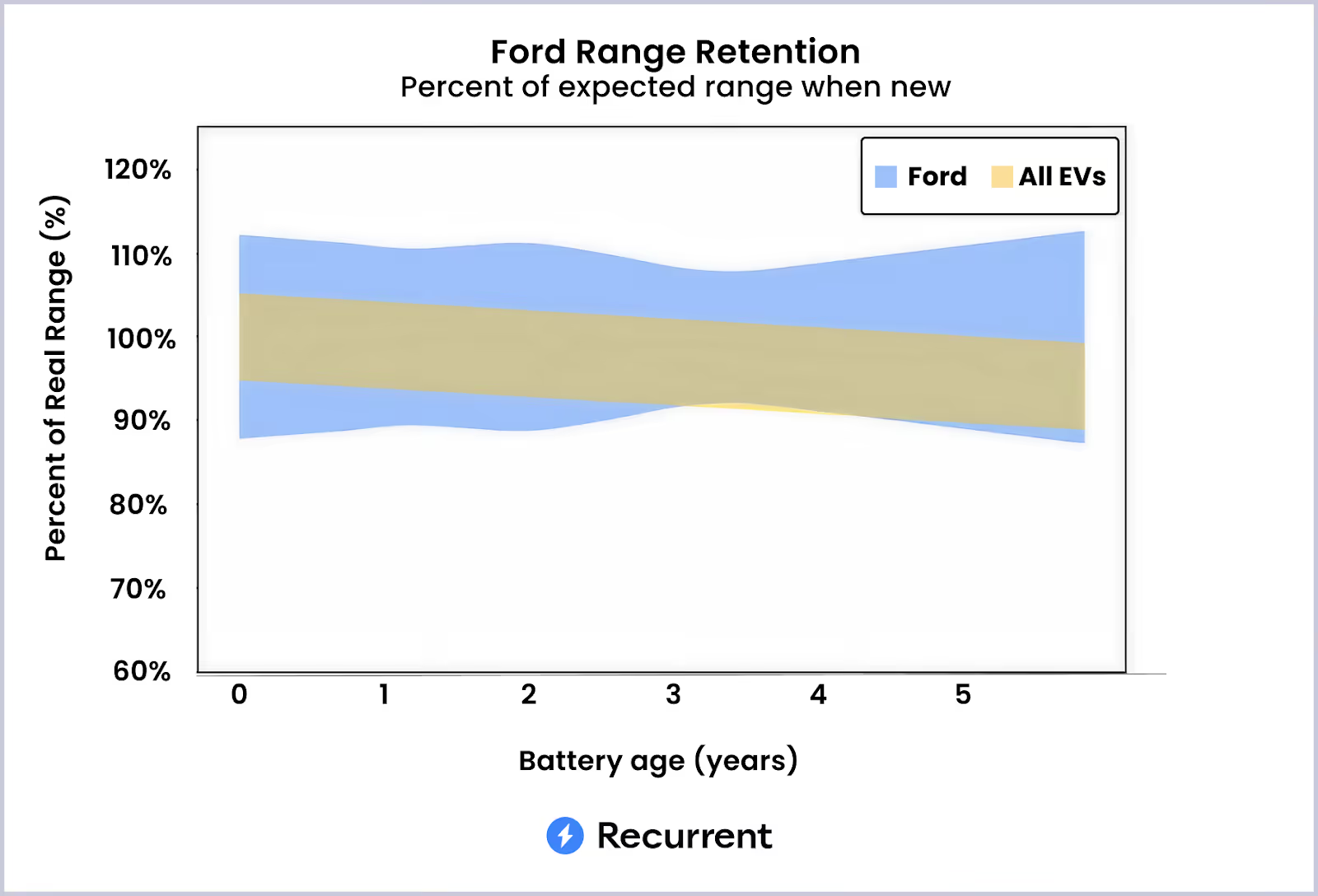
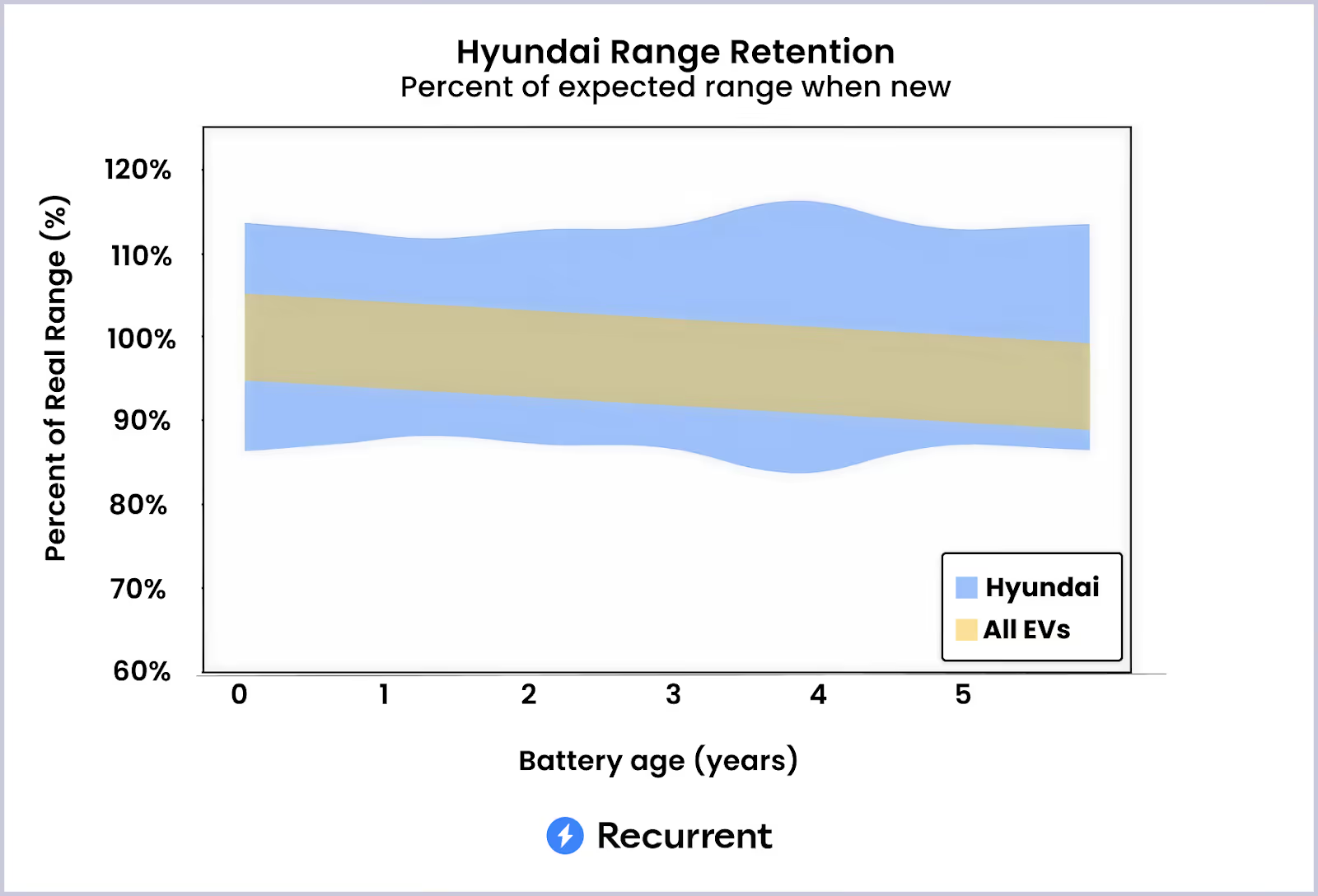
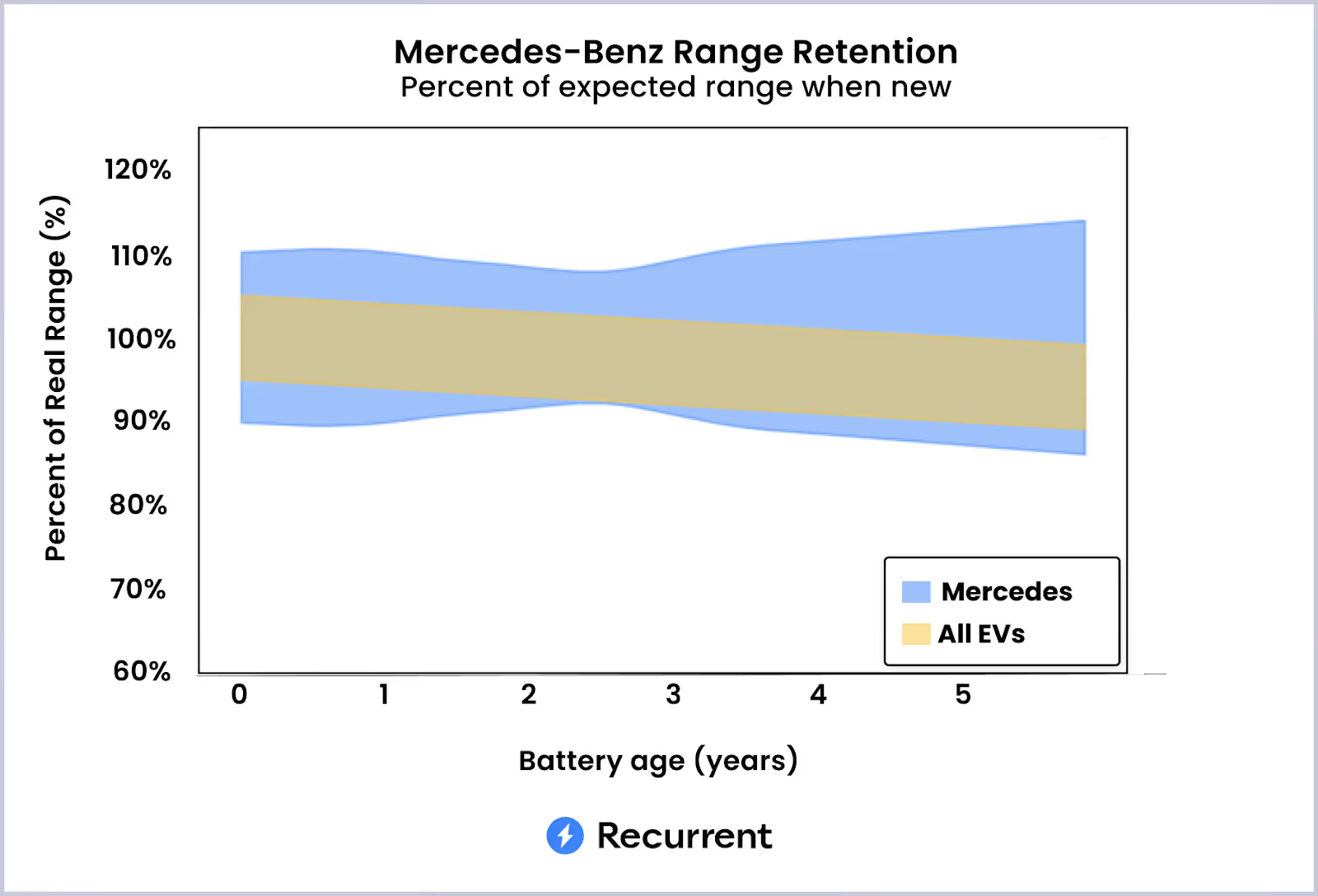
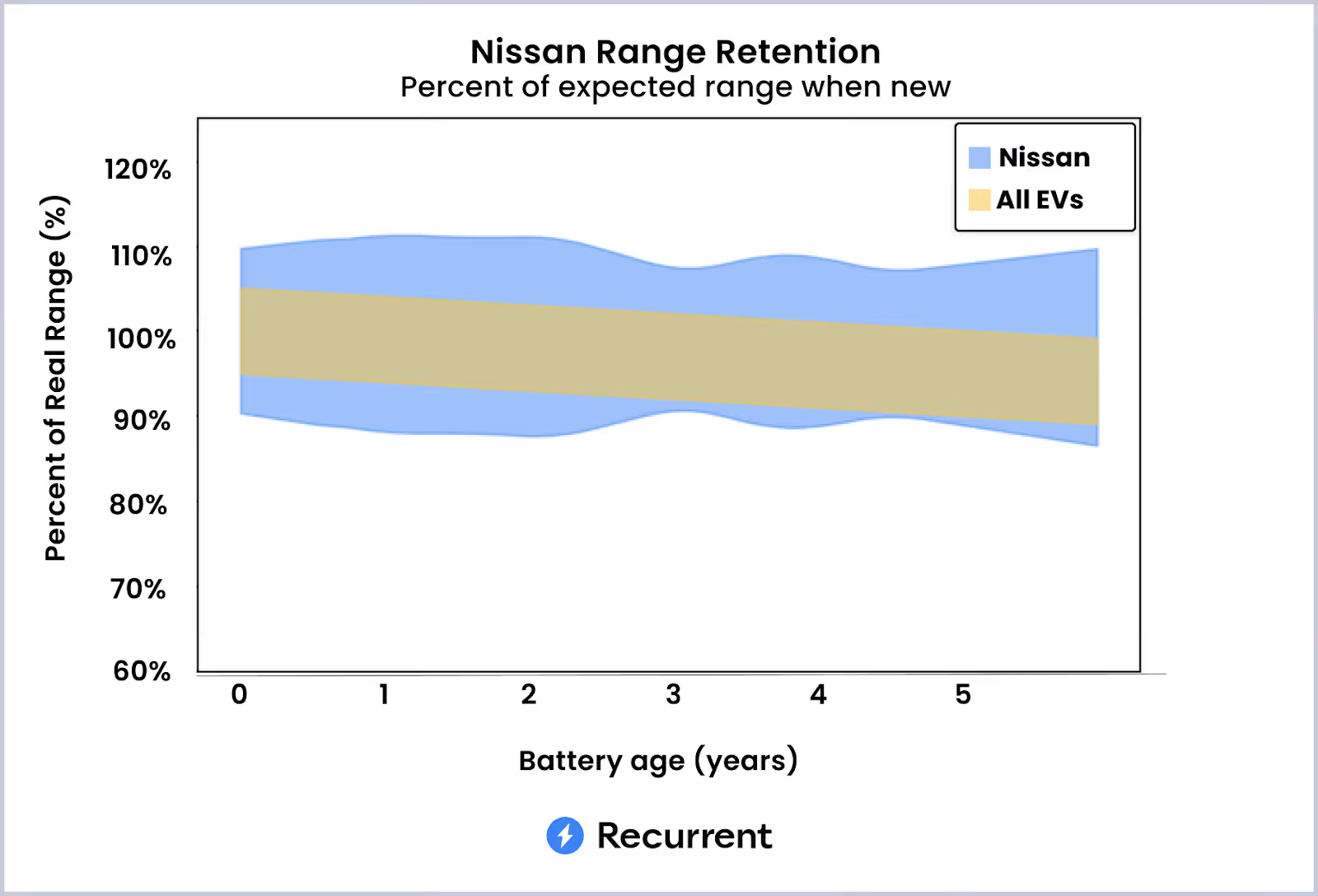
Note that we include NIssan in the “zero range loss” group. Although very mild range loss is seen over the first years of ownership, this is likely due to data from older Nissan LEAFs.
Range Retention Tracks with Battery Capacity Changes
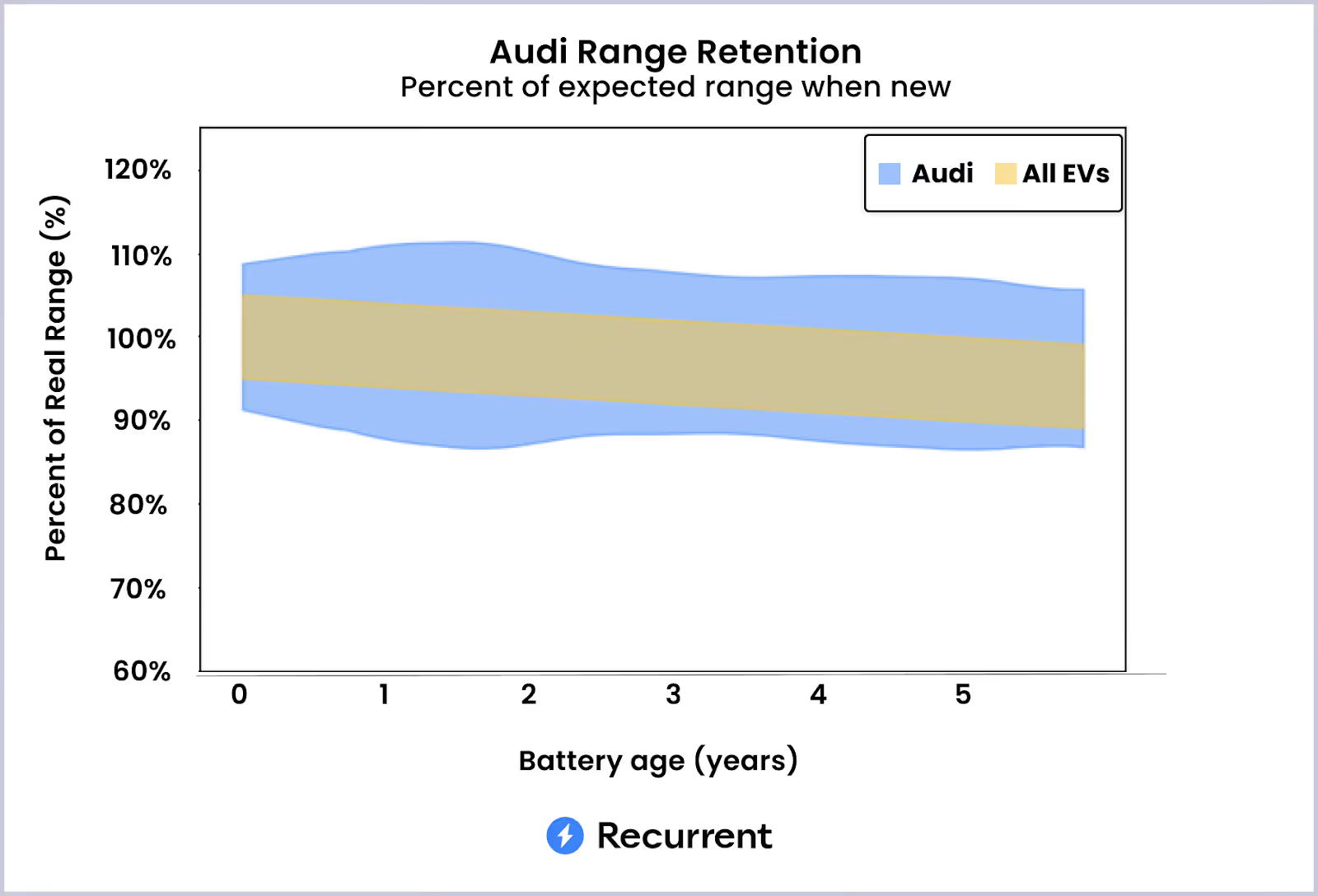
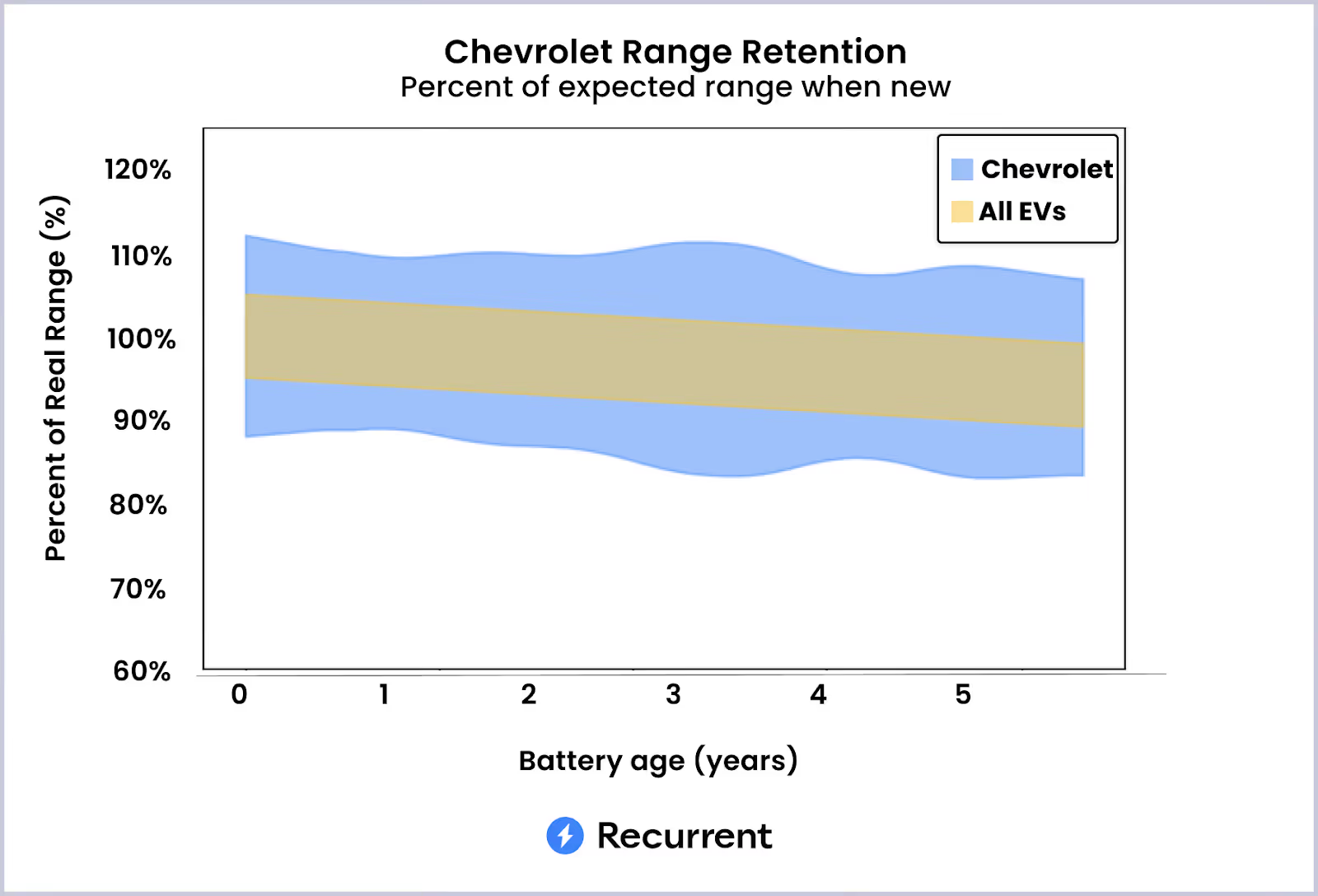
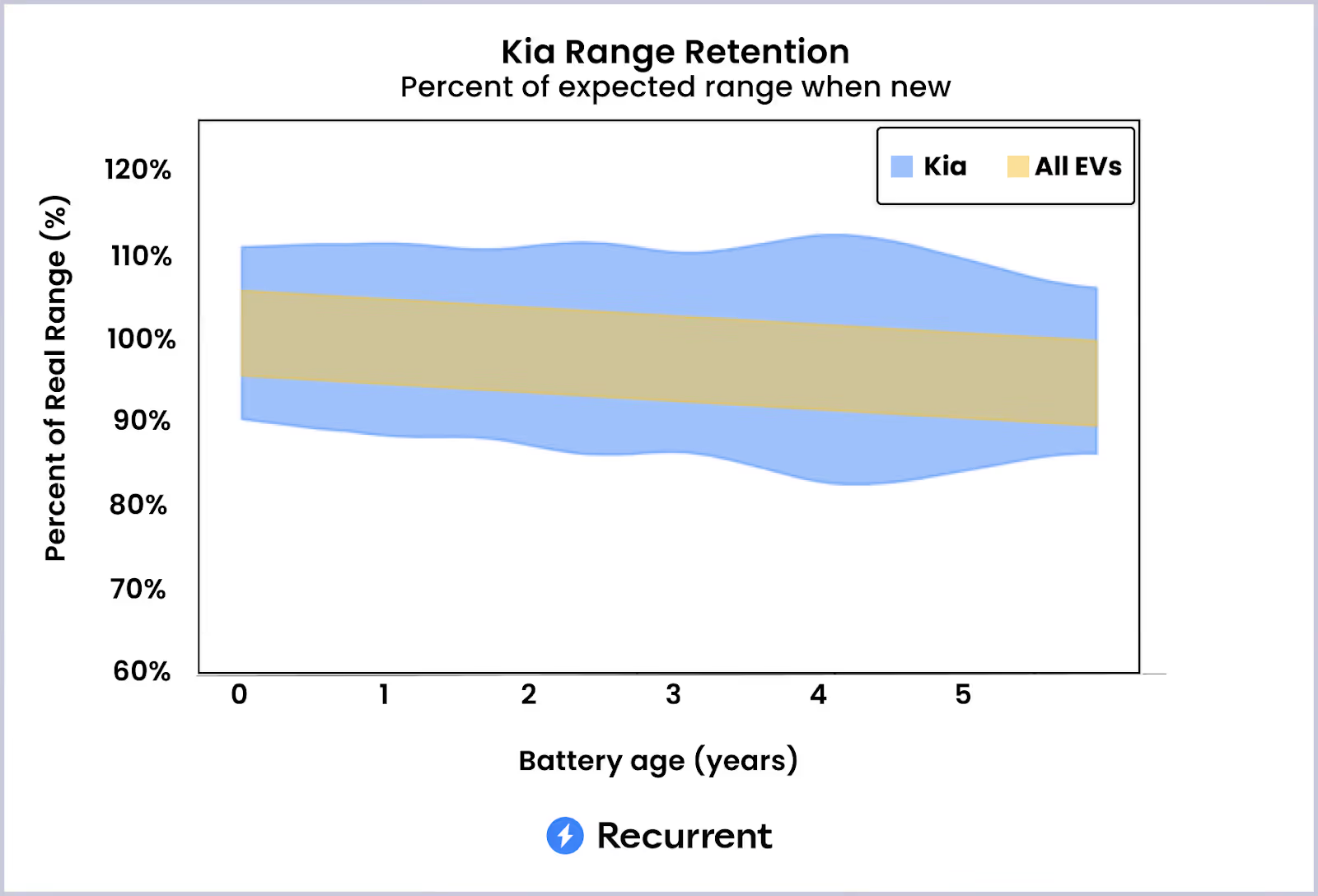
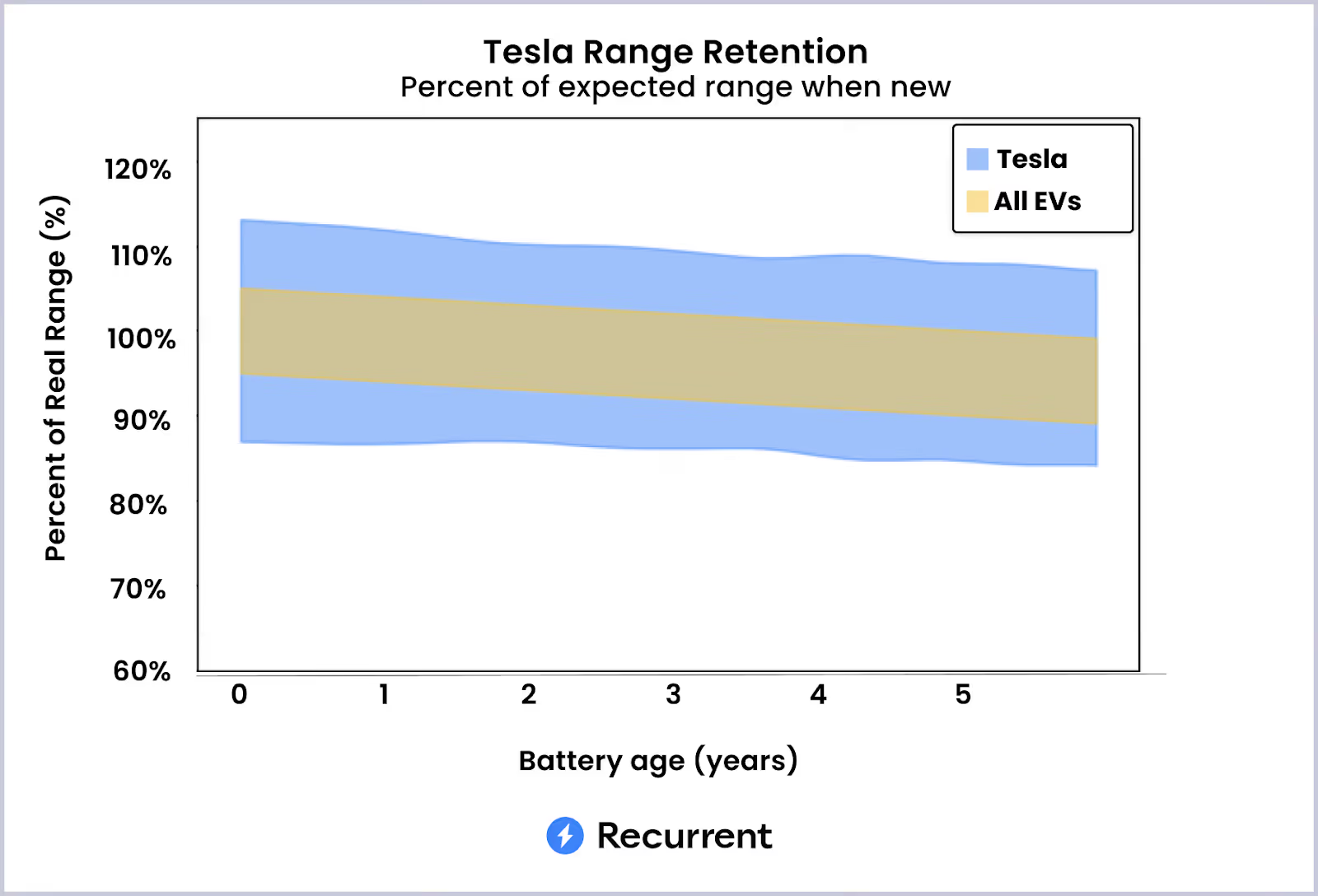
Audi, Chevrolet, Kia, Tesla
For these automakers, the range retention over the first 2,000 days is close to what we see in the overall population of EVs. It is likely that the automakers are dynamically calculating a range that reflects the true changes in battery capacity over time.
For Chevrolet, the brand has long been an example of a car maker who shows the full picture to their drivers. The first generation of Chevy Bolts had in-depth energy use displays and dashboard ranges that were highly responsive to real-world fluctuations such as temperature changes, acceleration, or uphill driving. This same logic seems to translate into the range retention.
It is slightly surprising to see Kia in this group since they are owned by and built using the same e-GMP platform as Hyundai cars.
Lower Than Average Range Retention
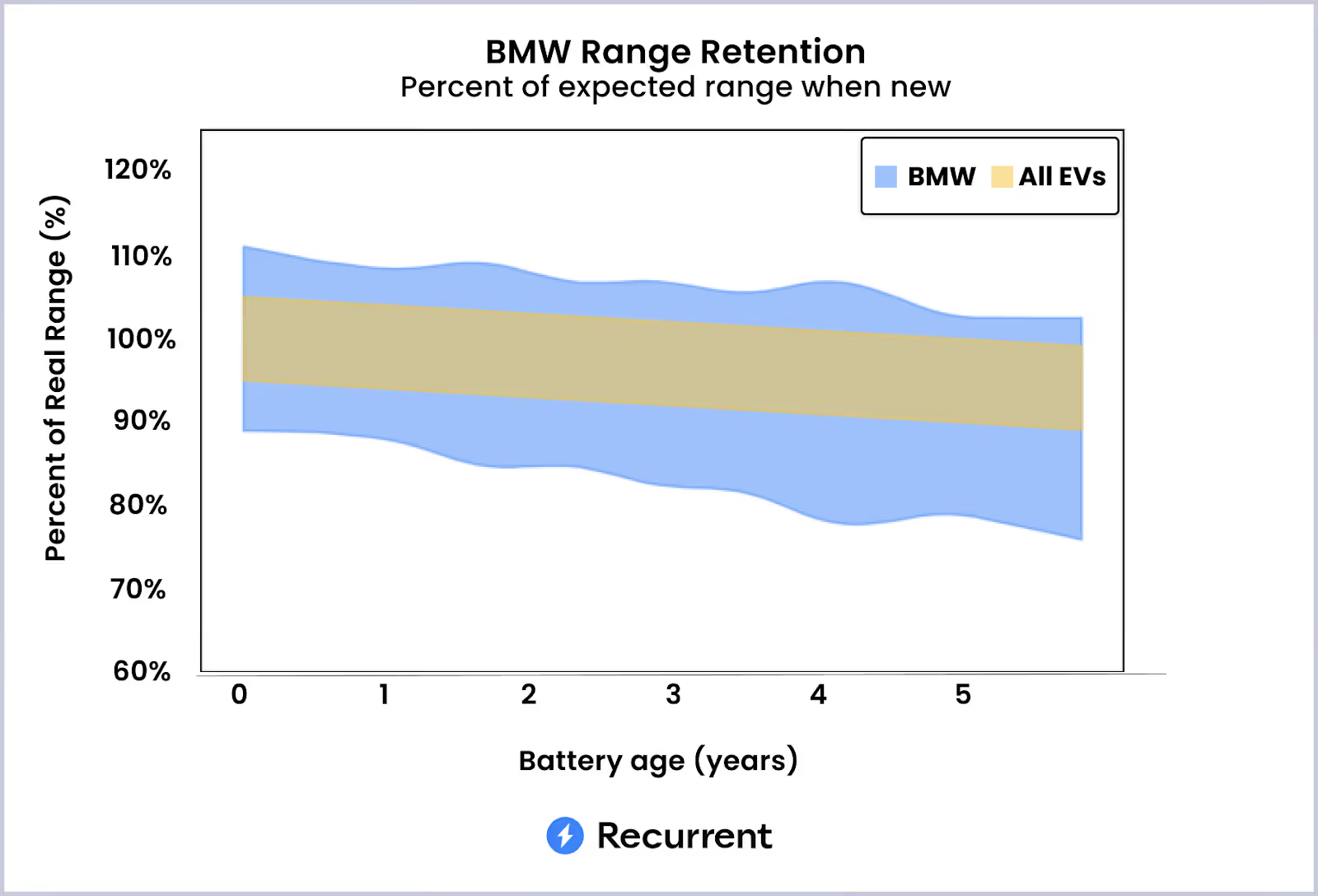
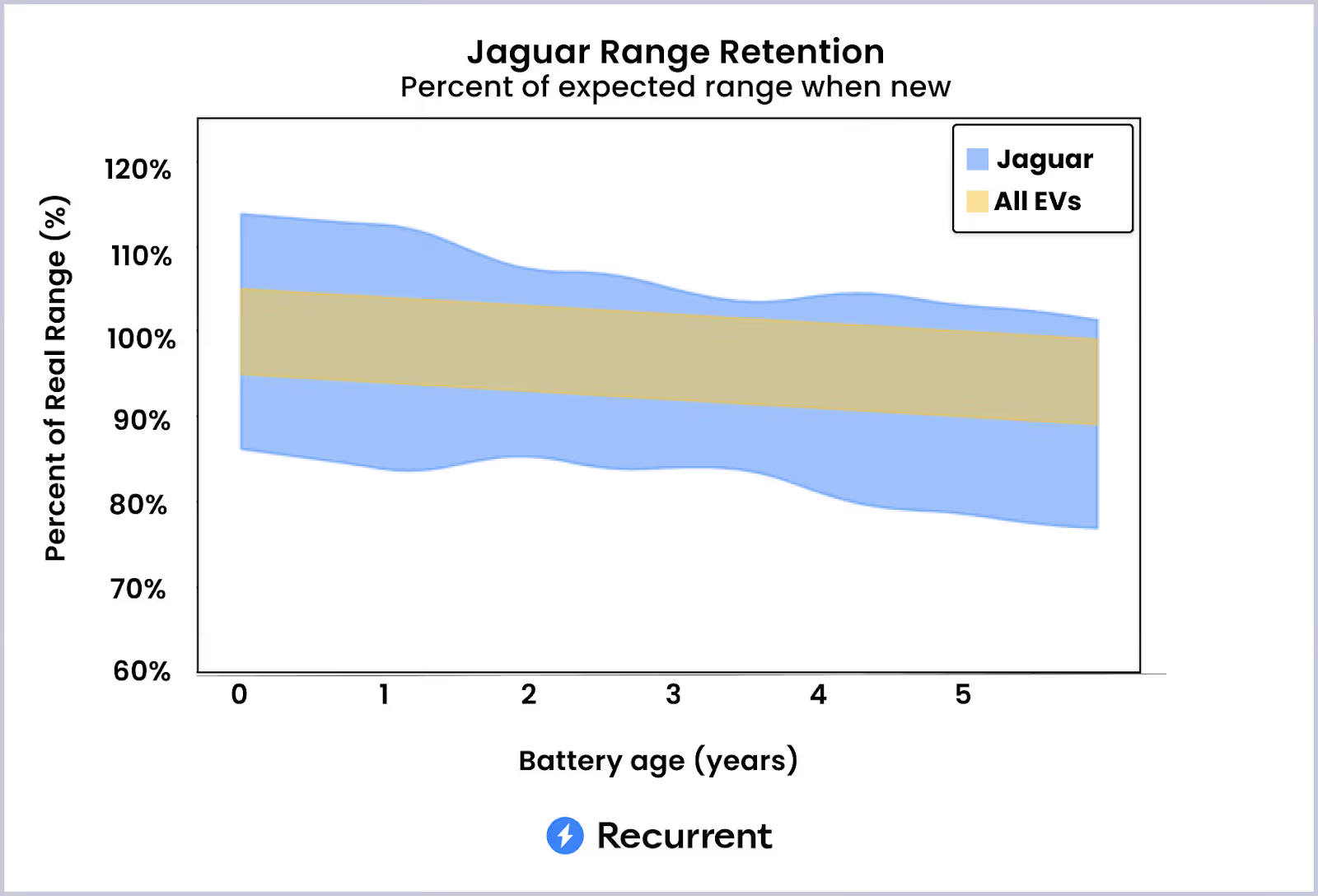
BMW, Jaguar, Volkswagen
The range retention for BMW and Jaguar is expected to drop faster than the overall EV population, likely due to the automaker allowing the range shown to drivers to change as the battery ages without any updates to algorithms or software. It seems that neither company releases reserved capacity as the batteries age, which means that there may be a large battery buffer to enhance battery life.
It is likely that there are few modifications to the driving experience to increase efficiency, possibly in order to maintain a high performance feel.
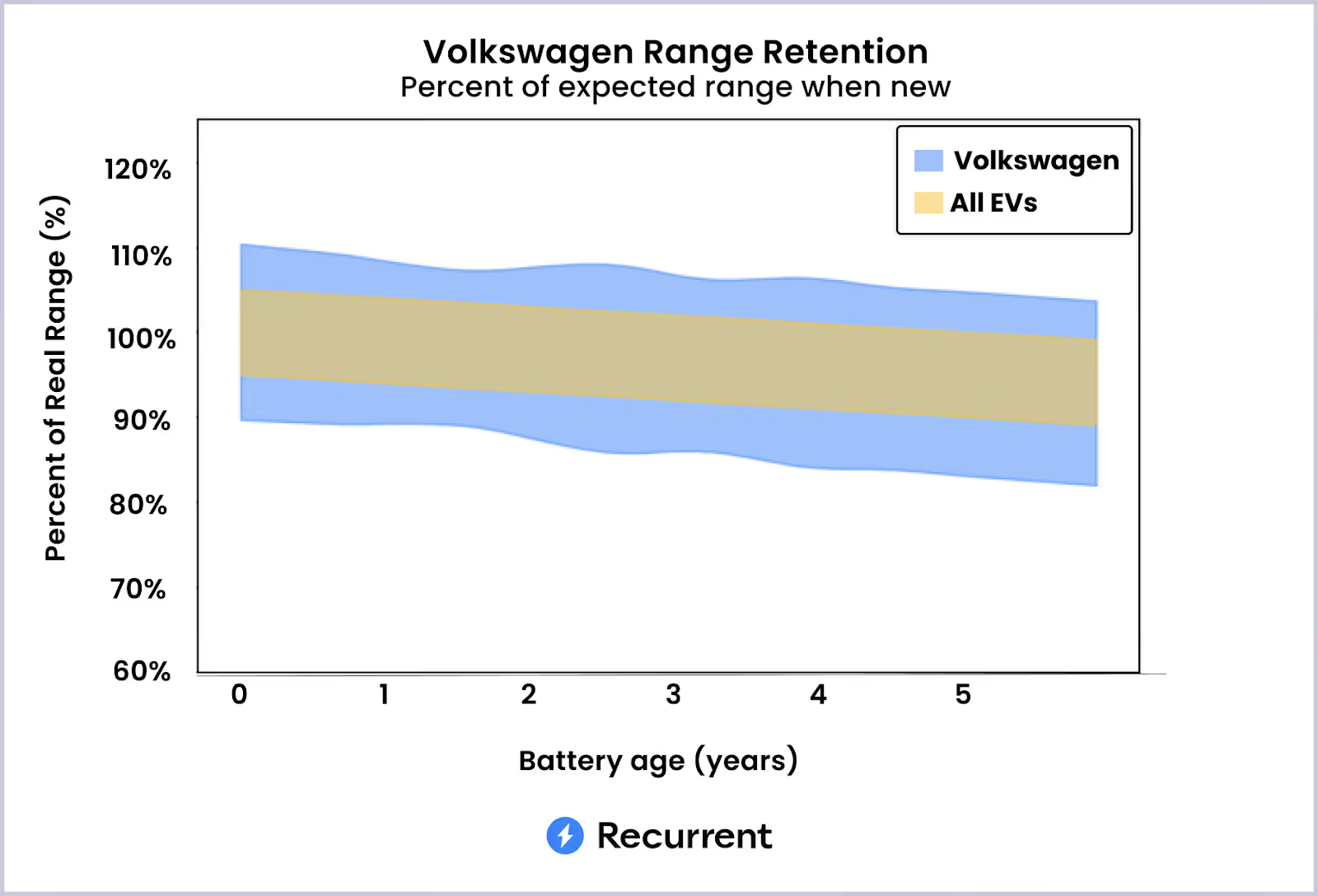
Volkswagen range retention is also slightly below average.
Notes on data and charts:
The five year range retention data is from our machine learning models, which are built on observational and telematic data. We extrapolate out for vehicles where observational data doesn’t exist.
In each plot, the blue bar represents one standard deviation in each direction from the average, or 68% of all range behaviour. The yellow bar represents the baseline range retention for all EVs in the Recurrent community.
Widening and narrowing of the blue band represent changes in certainty and data density based on the ages of vehicles currently in the Recurrent driver community.


