


Sell or trade in your Kia for more in 2026
Get an offer and sell quickly, without the hassle by Recurrent’s EV Experts
Don’t have your Vin? Enter your license plate >


.svg)


.png)
.png)
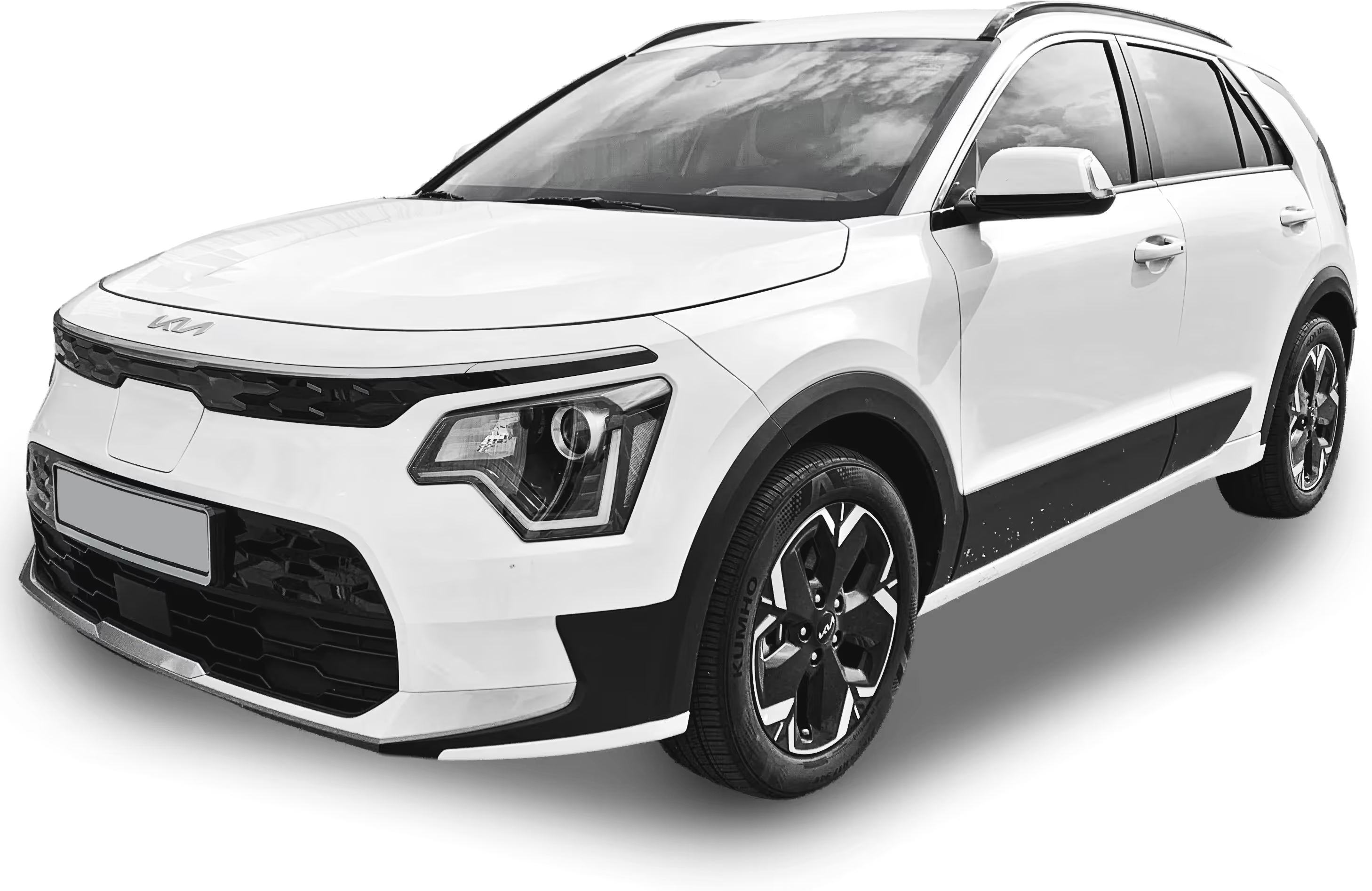
A used EV6, Niro EV, or EV9 with verified battery health is regularly worth more than a generic KBB or Edmunds quote. Those tools don’t price the EV6’s 800-volt architecture and fast charging, the EV9’s three-row practicality, or the years left on Kia’s battery warranty.
Three things give Kia EVs a real edge:
The EV6 and EV9 share Kia’s E-GMP platform. The EV6 uses a 58 kWh or 77.4 kWh pack, and the EV9 uses a 76 kWh or 99.8 kWh pack. The Niro EV uses a separate 64.8 kWh pack. All are covered by Kia’s 10-year / 100,000-mile battery warranty, one of the strongest in the segment and a real selling point on any car still inside it. A Recurrent Report documents your specific car’s range so a buyer doesn’t have to guess.
A Kia dealer will take your EV6, Niro EV, or EV9 as a trade toward another Kia, with a sales-tax credit in most states. But franchise trade-in tools vary widely on used EVs and often lean on generic auction data that doesn’t reward 800-volt charging, three-row practicality, or your remaining battery warranty. A Recurrent offer gives you a real number to weigh against the trade.

It depends most on battery (58 versus 77.4 kWh Long Range), trim, mileage, and verified battery health. Long Range RWD cars with strong range data and remaining warranty bring the most.
Yes. Kia’s 10-year / 100,000-mile battery warranty transfers to the next owner, and a car still inside it sells for measurably more. Surface the in-service date and mileage in your listing.
The EV9 is one of the few affordable three-row electric SUVs, so used supply is tight and EV specialists are actively buying. A Recurrent offer typically beats a generic trade-in quote.
Niro EVs hold value well because they are Kia’s most affordable used EV and demand is high. Trading in earns a tax credit in most states. Selling to an EV specialist usually clears more cash.
Most offers come back within an hour during business hours.


