-p-500.avif)
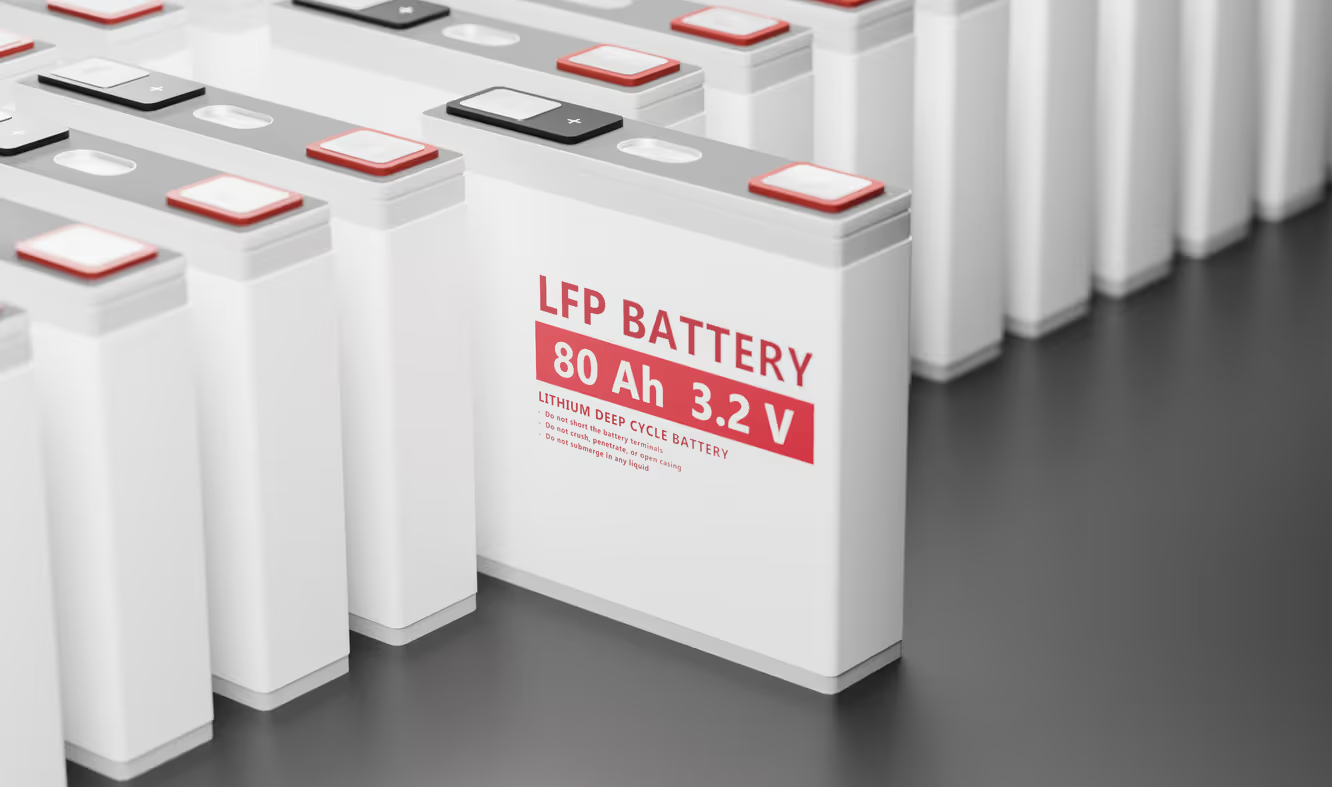


LFP batteries come in at an average $81/kWh compared to $128/kWh for nickel-based batteries. For a mid-sized crossover EV, that’s an instant savings of more than $4000.
Another perk of LFP batteries? In laboratory testing and low-power applications, they are shown to have longer lives and lose capacity more slowly than nickel-based batteries. However, since the use of LFP batteries in EVs is relatively new, there hasn’t been much data to compare the two.
How do LFP batteries hold up?
Recurrent dug into our data on comparable EVs to see how each battery is holding up.
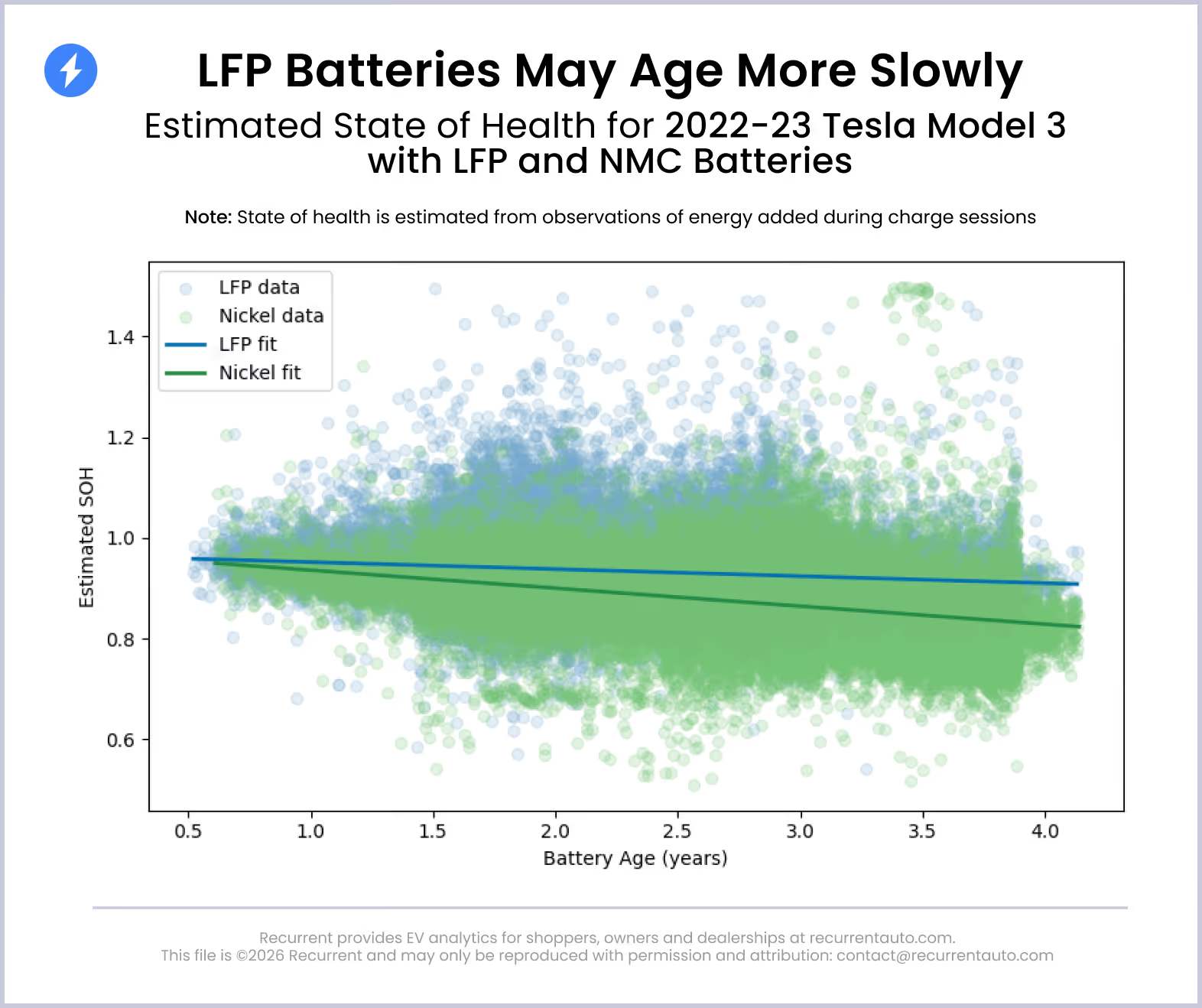
We looked at Tesla Model 3s from 2022-2023:
- The rear wheel drive variant was outfitted with LFP packs to help bring down the cost
- The all wheel drive variant used nickel based packs in order to provide the extra range and power.
What do we see in the data? The LFP packs are holding on to their battery capacity better than the nickel-based packs when comparing cars from the same model year. However, in practice, there is a lot of overlap between the data so any given NCM Tesla may not see much less range than any given LFP Tesla. But if these trends continue over longer term ownership, such as 10 - 20 years, we may see much greater battery longevity and value retention with LFP batteries.
LFP vs NMC Background
Nickel Based Batteries Are Common
For many years, nickel-based battery chemistries reigned supreme: they pack a lot of energy into a small space and are pretty stable. The downsides are limited, but a big one is that nickel based batteries rely on cobalt, which is expensive and has a host of ethical and humanitarian concerns. Nickel itself has its supply chain vulnerabilities: it has seen high price volatility in recent years and has limited global sourcing and refining locations.
LFP Batteries - the new(er) kid on the block
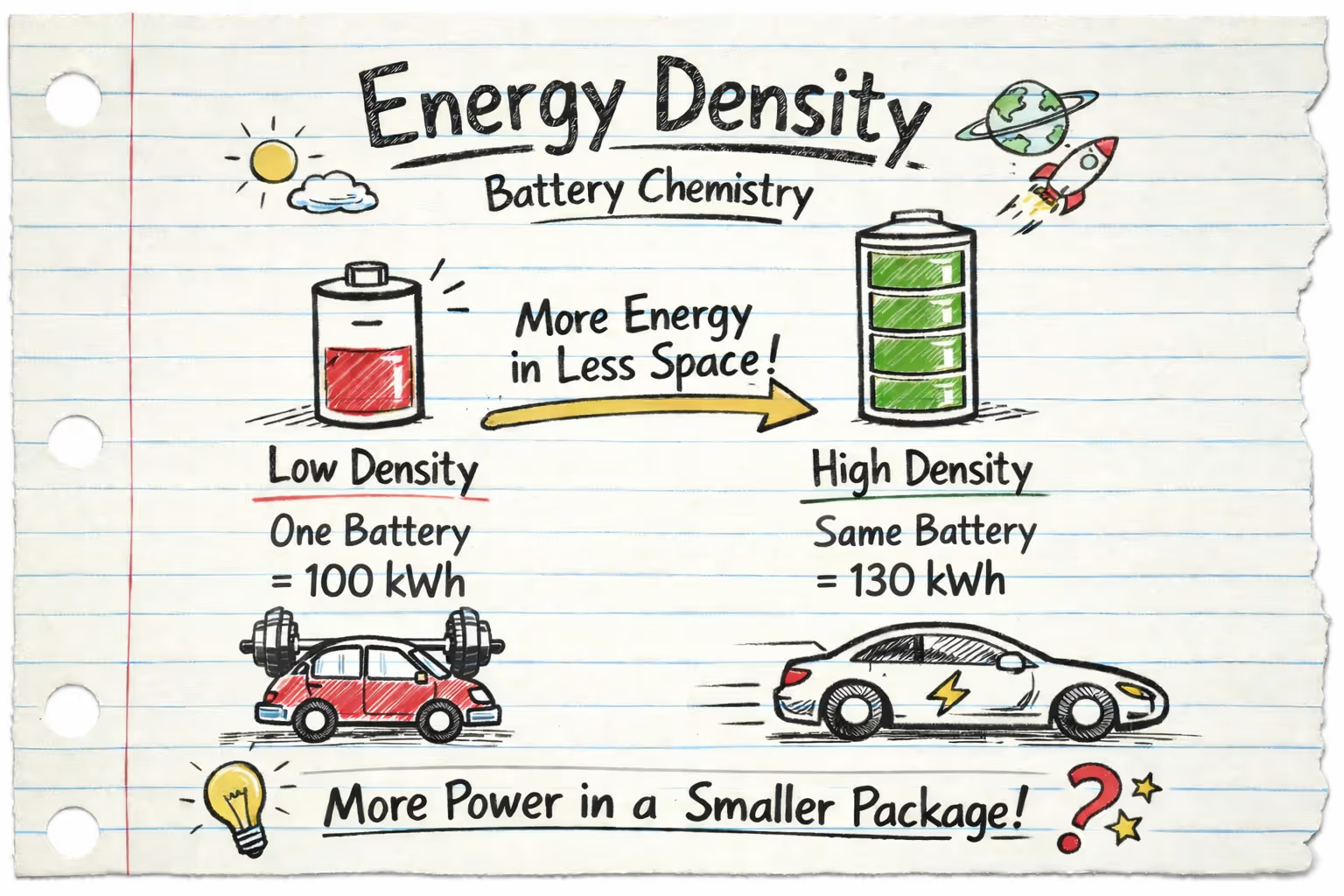
A slightly newer but very well-tested type of lithium ion battery is the LFP, or lithium-iron-phosphate battery. This battery is about 30% cheaper to produce, relies on more readily available and cheaper materials than cobalt or nickel, and is more resistant to heat and high voltage. The one big negative is that they are less energy dense, so you get fewer kWh in the same sized battery.